
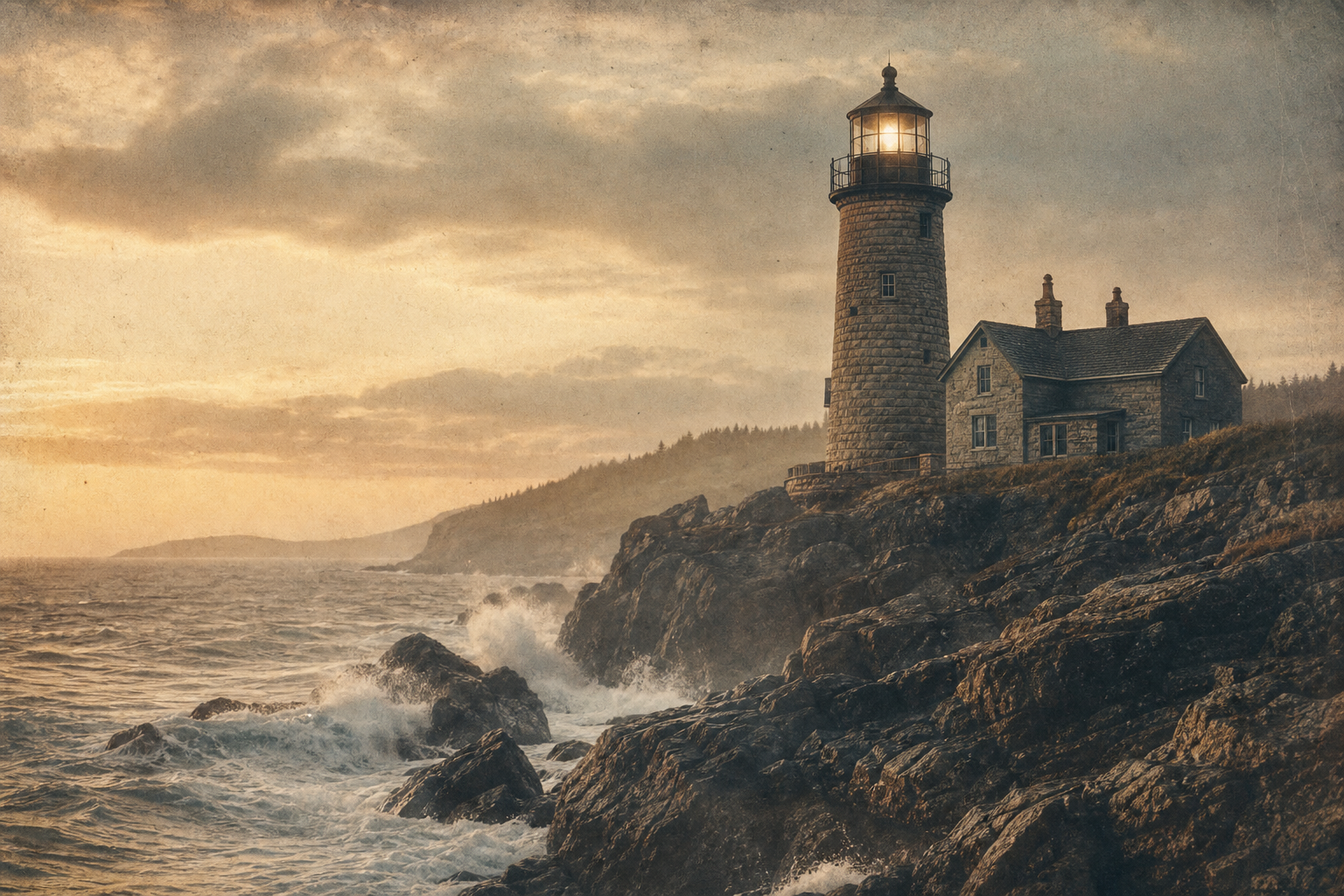
Navigation hazards
Rock shelves, shifting sandbars, and narrow channels made coastal travel uncertain, especially at night. Fixed lights gave mariners a reliable point for bearings when charts and visibility fell short.
Northern Coast Maritime Heritage Archive
Explore archive photographs, keeper stories, and preserved towers that trace the rugged maritime past of the northern coast.
Historical context
Along the northern coast, lighthouses were both working infrastructure for safe passage and familiar landmarks that grounded daily life across harbor towns.
Rock shelves, shifting sandbars, and narrow channels made coastal travel uncertain, especially at night. Fixed lights gave mariners a reliable point for bearings when charts and visibility fell short.
Fog banks, sudden squalls, and winter seas regularly erased the horizon. Beacon rhythms and fog signals helped crews judge distance and direction when coastlines disappeared.
Timber, fish, grain, and mail moved through these waters on strict schedules. Lighthouses reduced losses and delays by guiding vessels through critical approaches to docks and anchorage.
For families on shore, the light signaled returning boats, posted weather caution, and continuity in hard seasons. Towers became trusted civic markers as much as maritime tools.
Archive Gallery
A curated sequence of working details and coastal approaches that shaped each northern beacon's daily life.
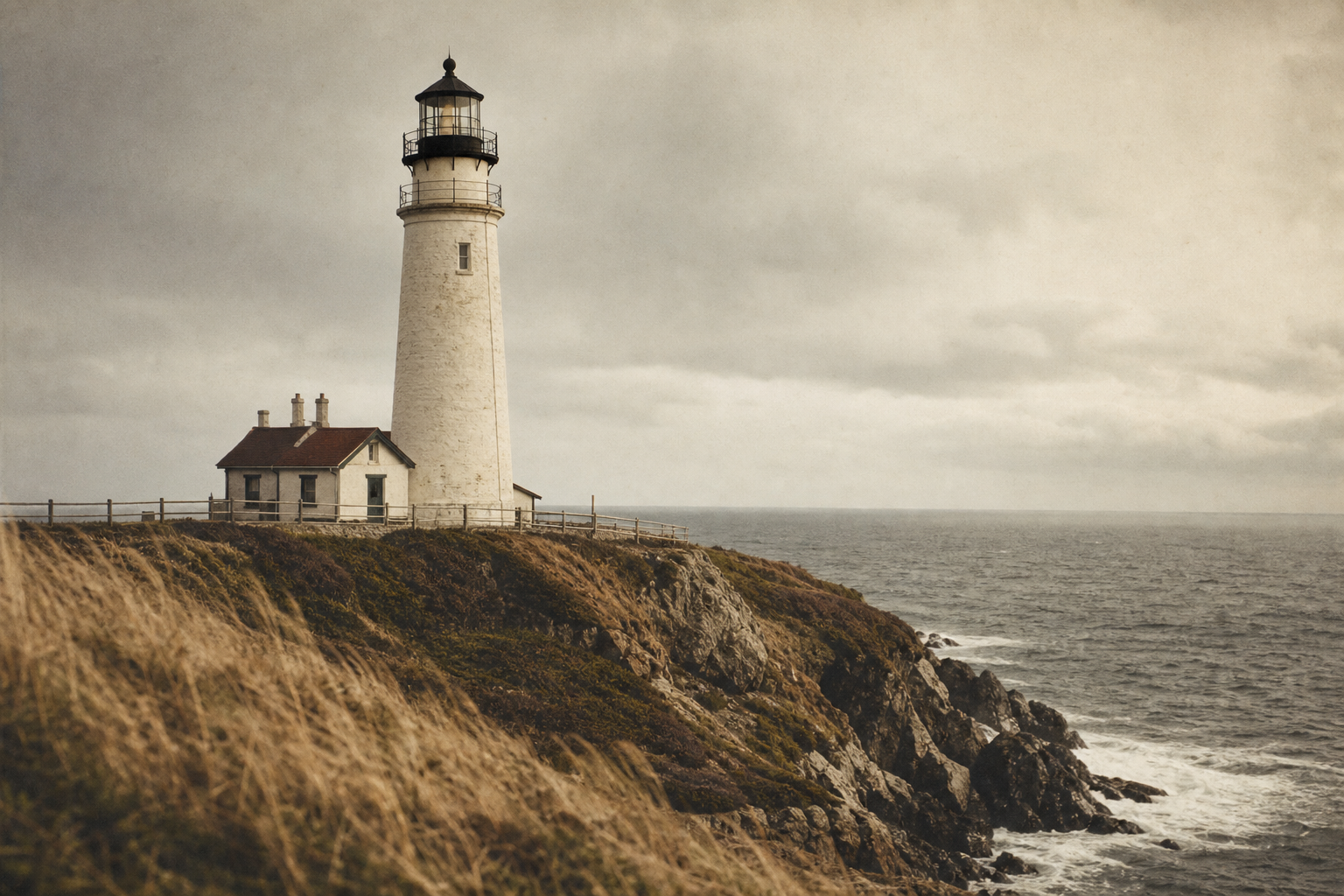
Tower Silhouette
The station's profile rises above low cloud, a fixed outline mariners learned before they ever saw the lantern flare.
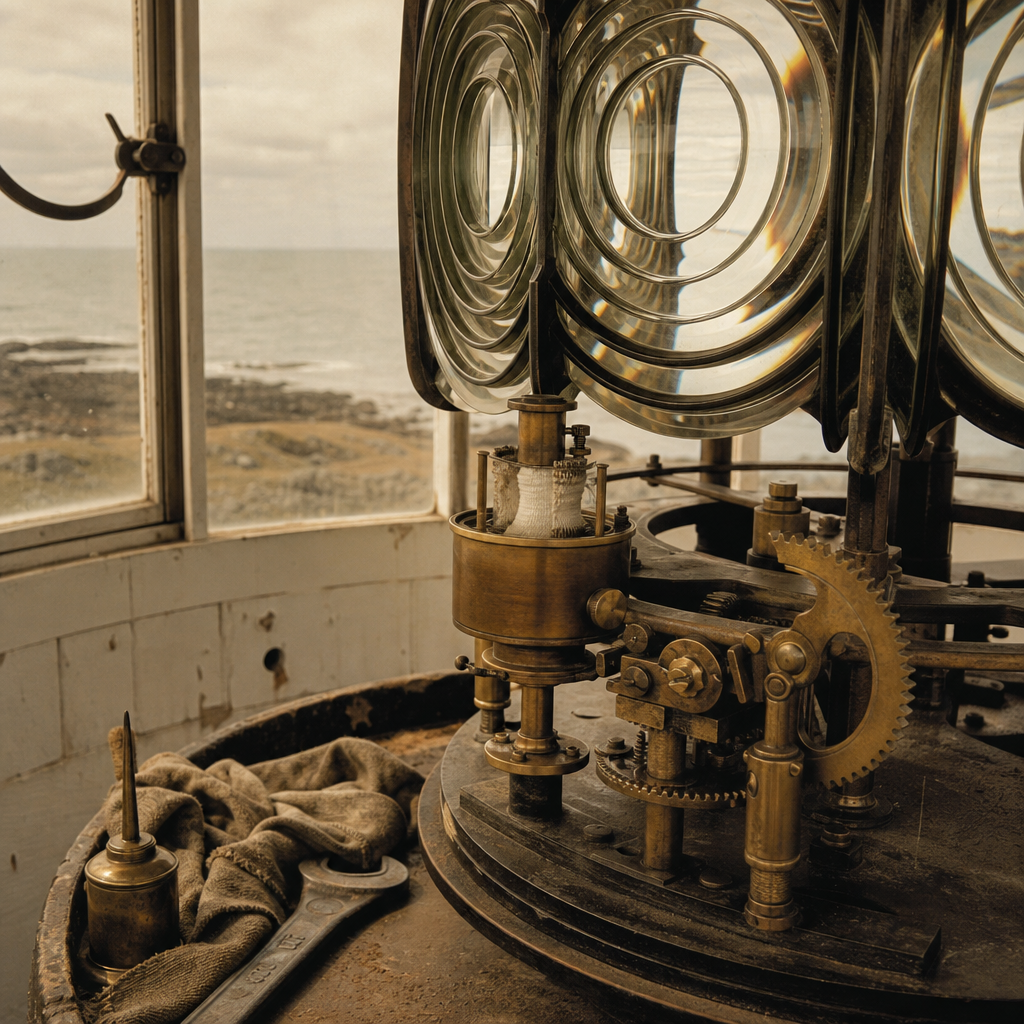
Lamp Room
Polished brass, soot marks, and hand-kept fittings record the precision behind every nightly signal.
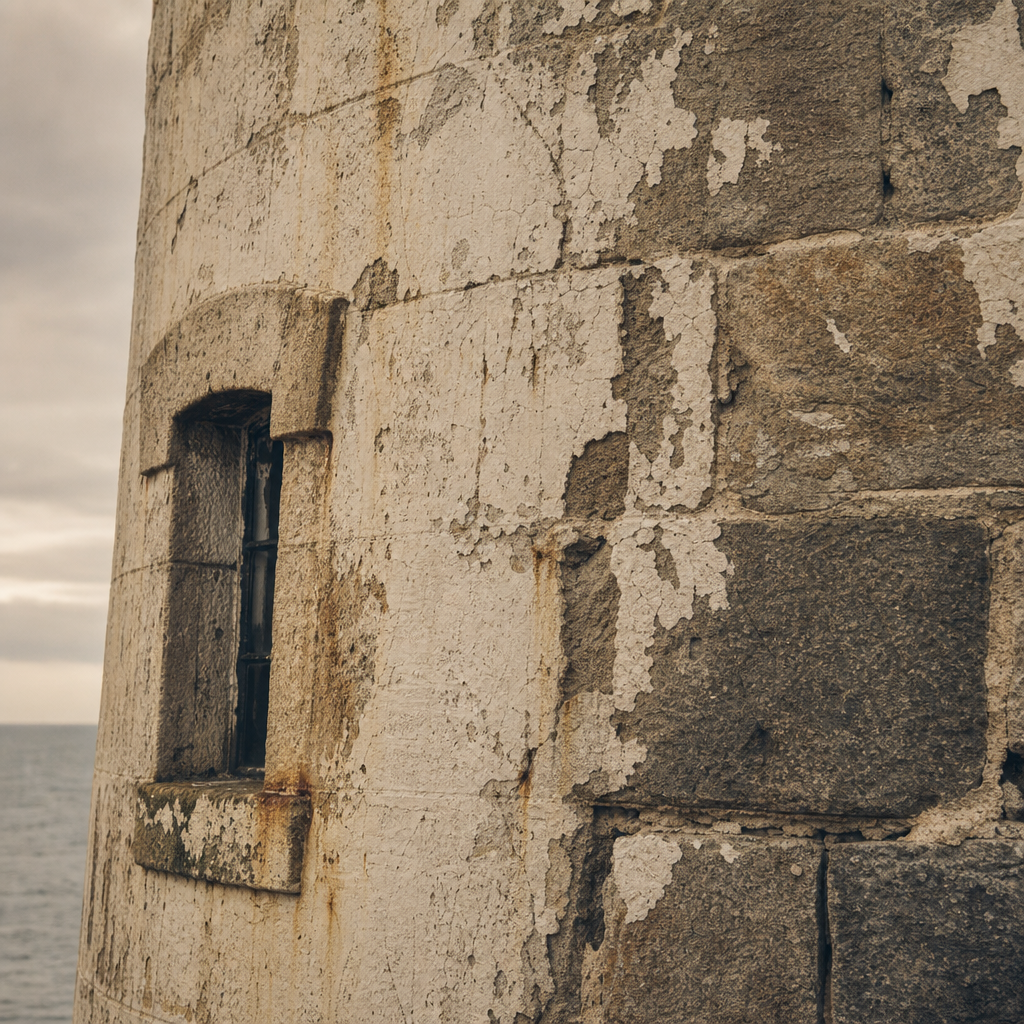
Weather-Worn Masonry
Layered repairs and salt-scoured joints show how each winter rewrote the tower's surface.
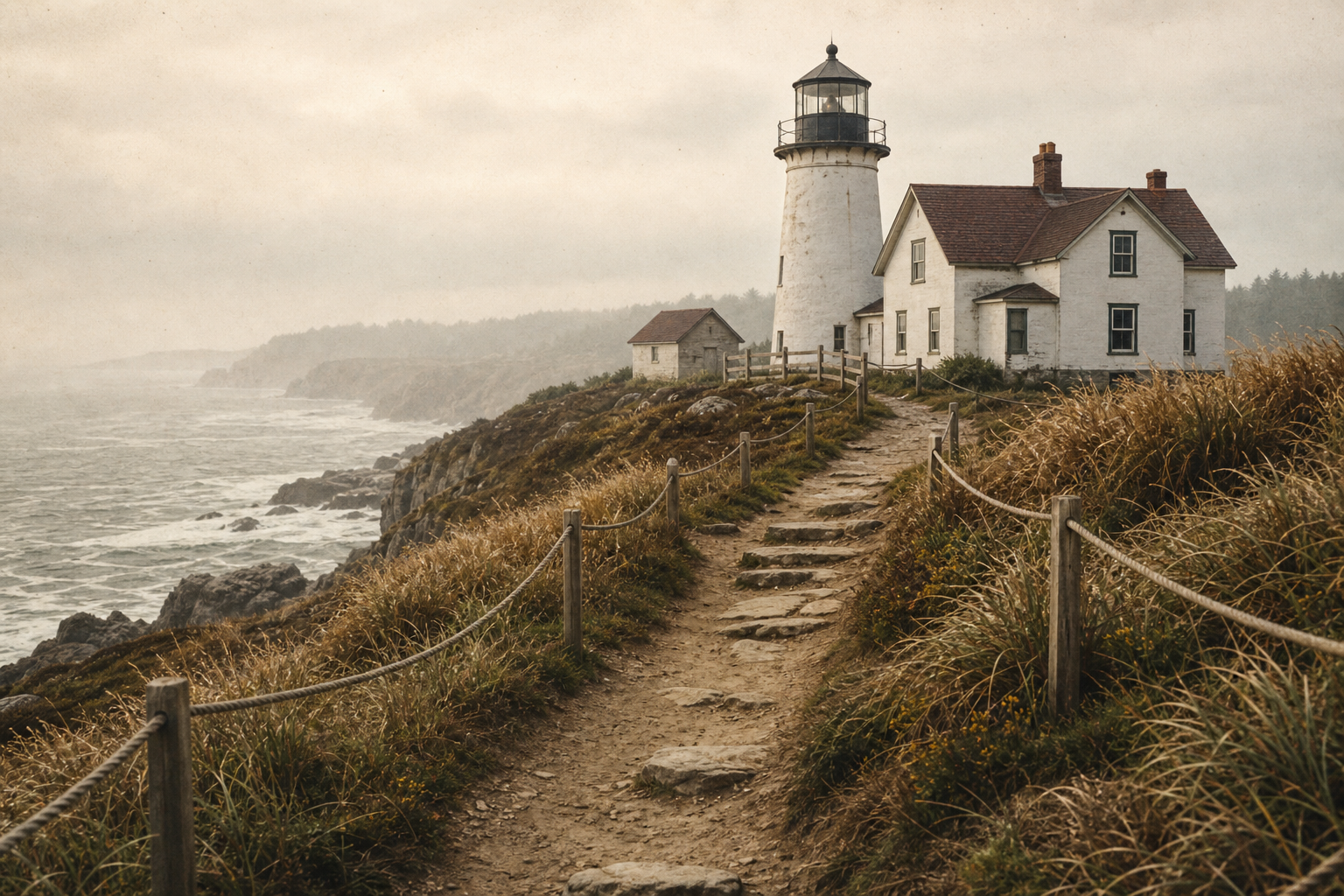
Approach Path
The final stretch from shore to tower still follows the practical route keepers walked in all weather.
Keeper narratives
Field notes from long watches, storm repairs, and shared station life along the northern coast.
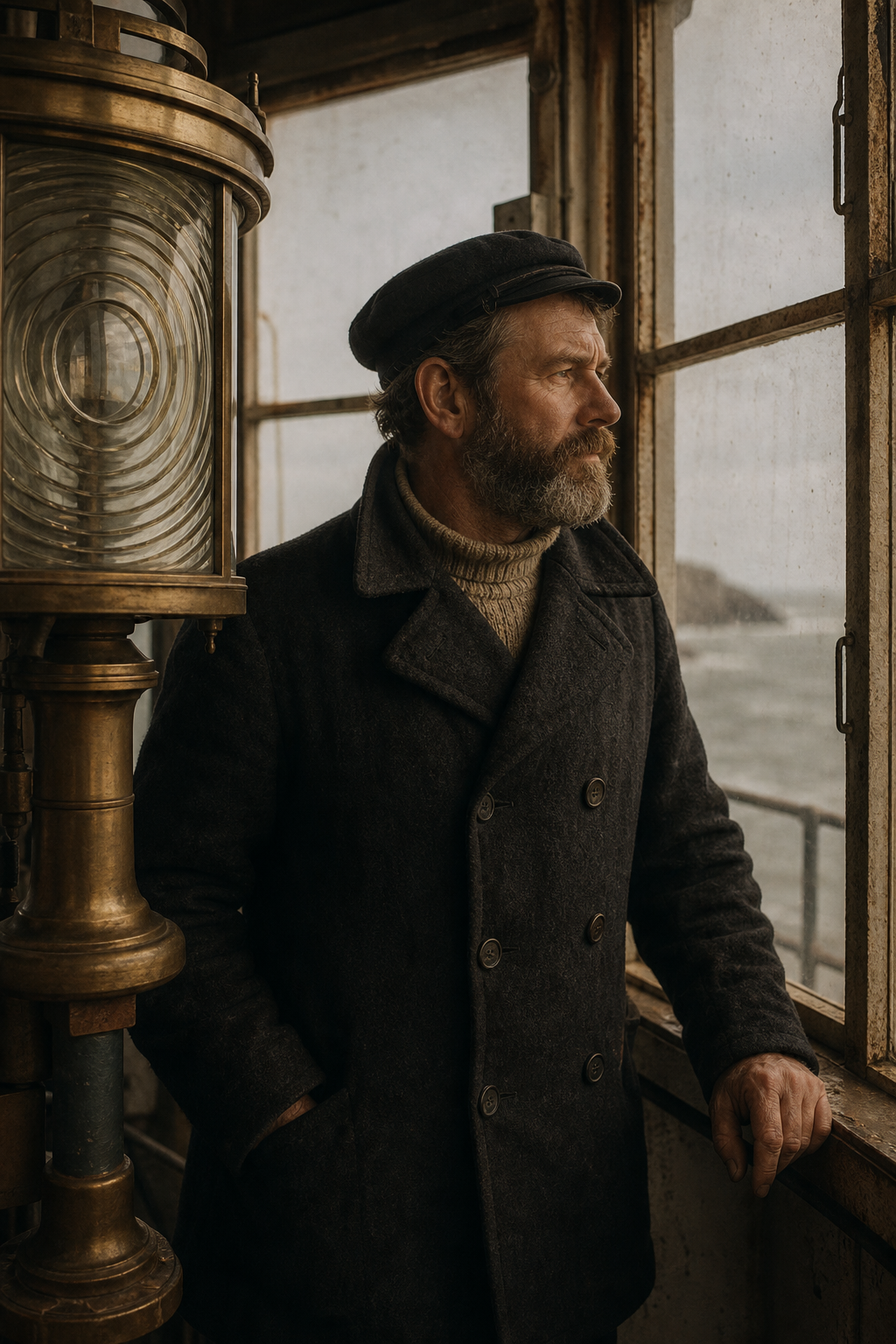
Night watch keeper
By the second bell, all you hear is wind and lens glass breathing. I wrote each foghorn interval in the ledger so the dawn crew could trust the night had held.
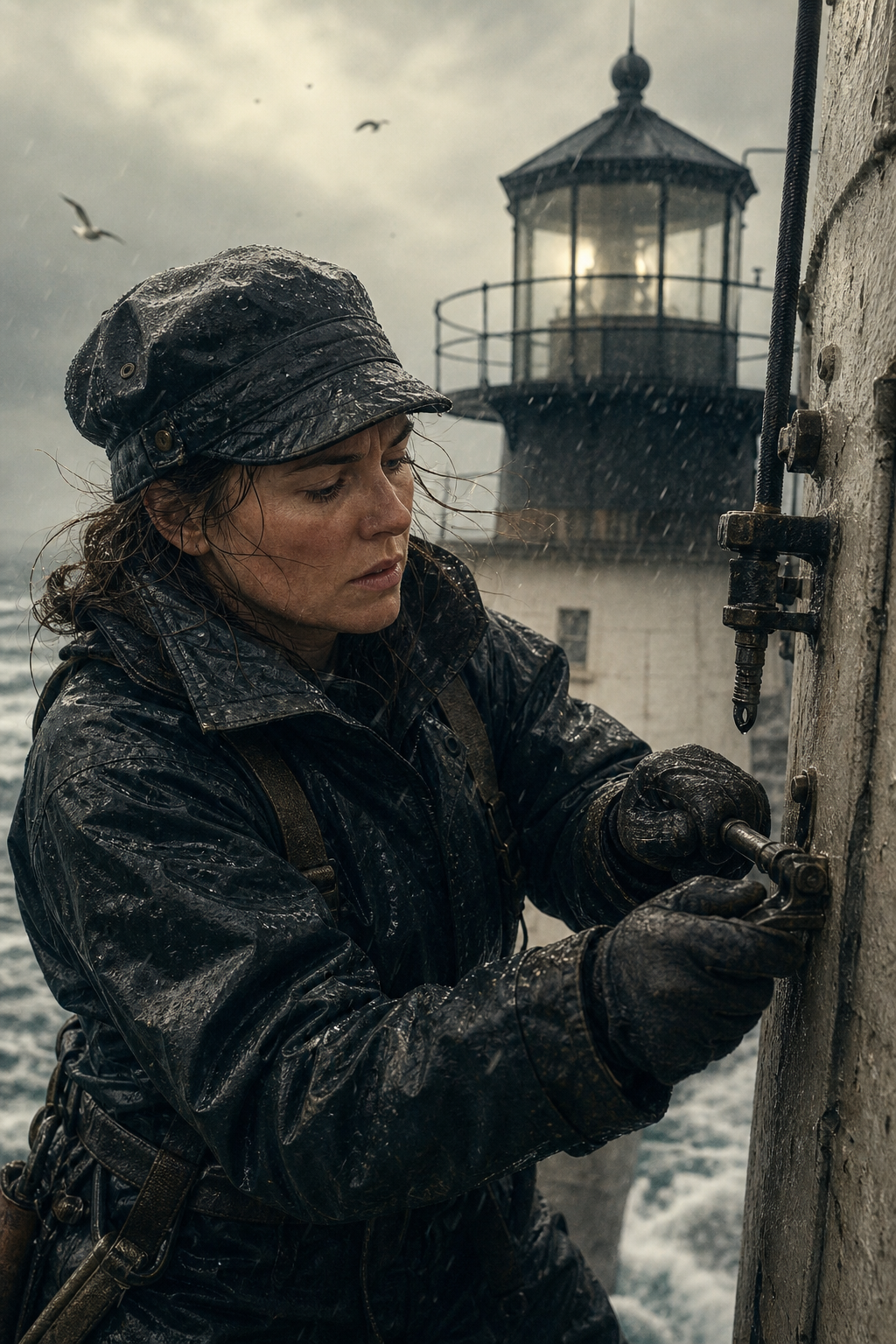
Lamp maintenance lead
Rain came sideways that week, but the wick still needed trimming. Salt took the hinges first, so we learned to keep tools warm inside our coats.
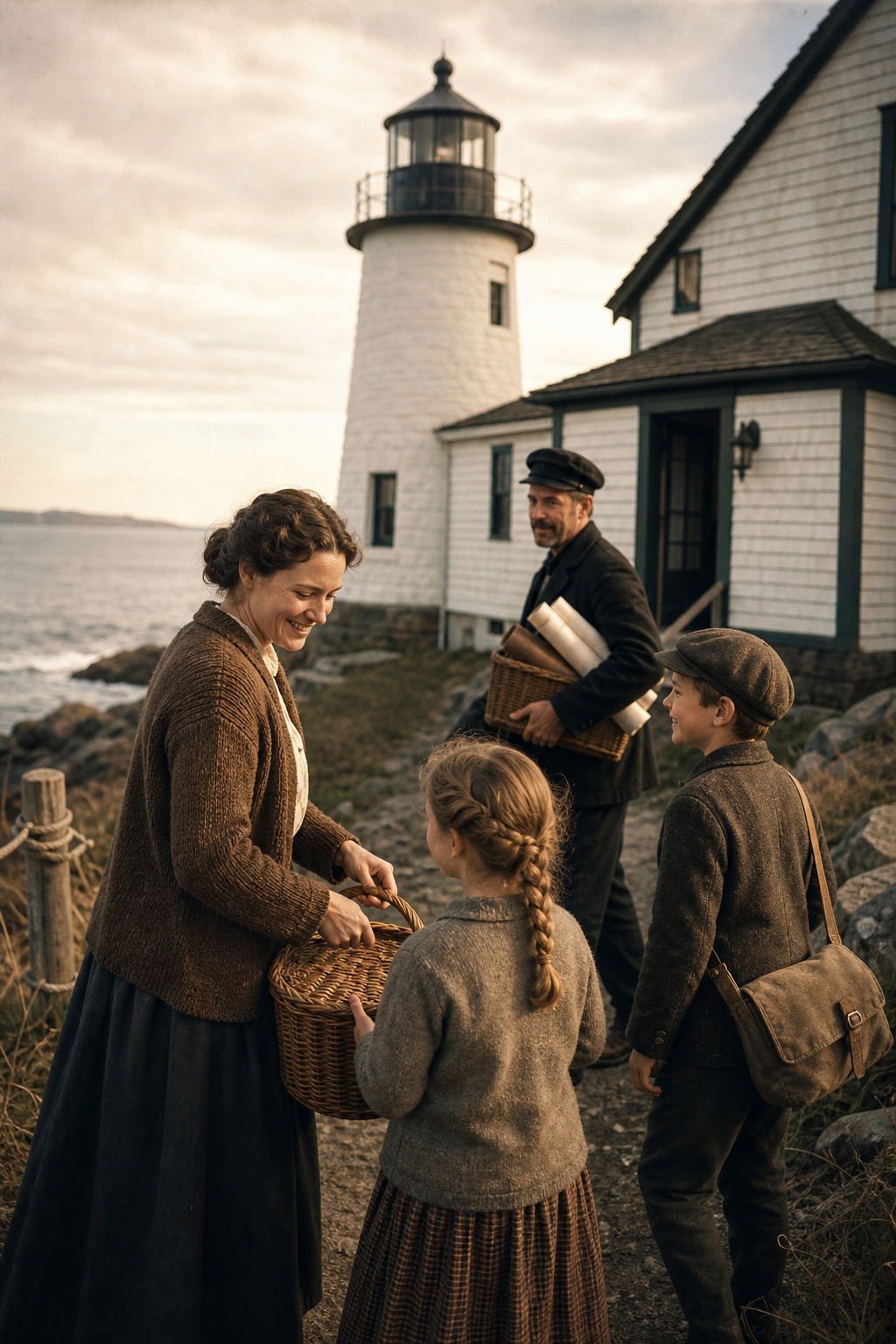
Station community voice
On supply days the children ran messages from the quay to the kitchen door. Even in winter, the station felt less isolated when everyone shared the same lamp glow.
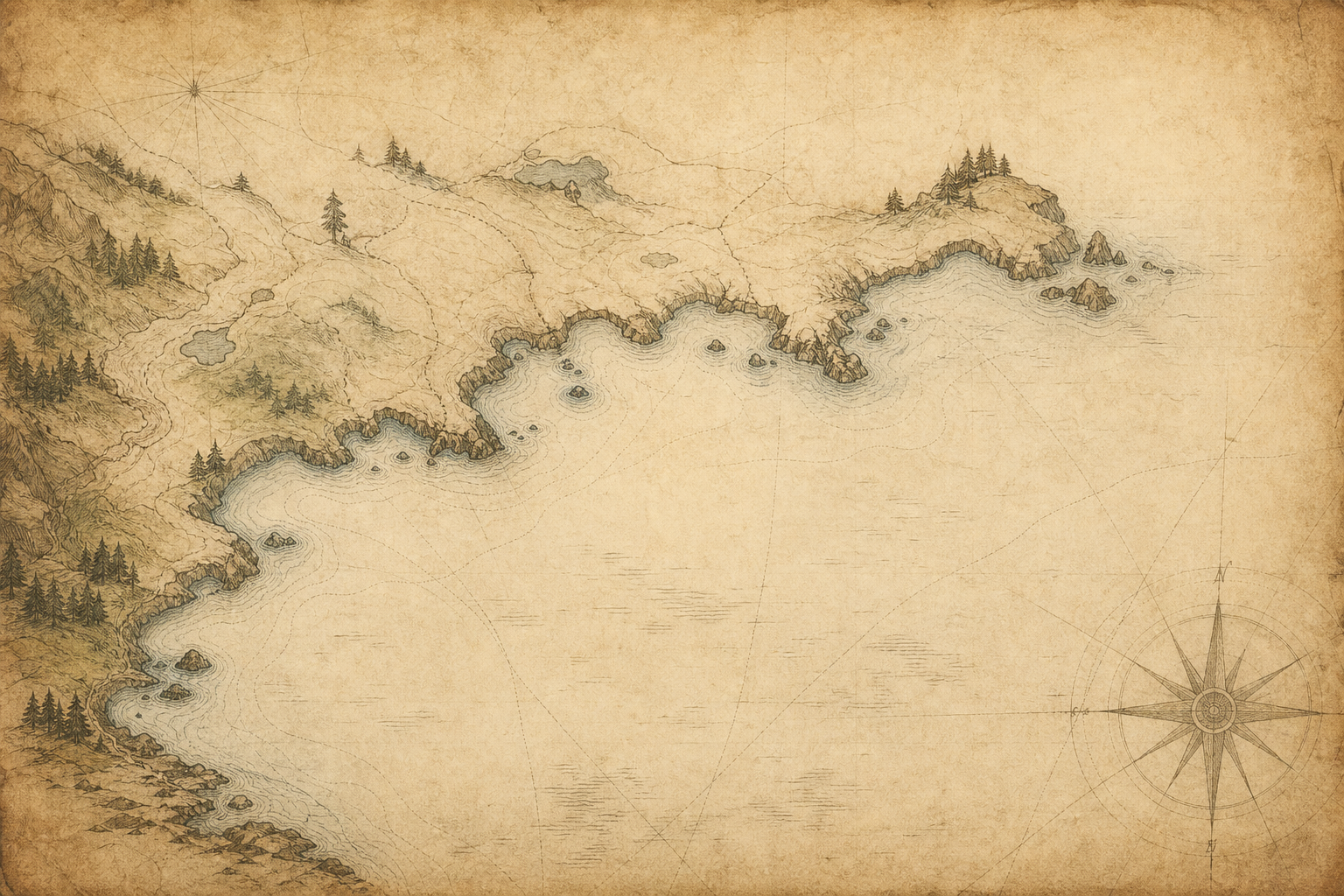
A preserved-route reference for visitors tracing the northern coast's surviving lighthouse landmarks.
Visitor FAQ
Practical notes and historical context for readers tracing the northern coast lighthouse record.
A mix of stone towers, lantern houses, keeper dwellings, and fog-signal buildings remains. Some sites are complete, while others are preserved as foundations or restored fragments documented in the archive gallery.
Many can be viewed from public paths, and several open seasonally through local trusts. Access varies by weather, tide, and conservation rules, so check the preserved towers map for current visitor notes.
Entries pair archival images with dates, station roles, equipment changes, shipping-route context, and restoration milestones. You will also find short interpretive captions that connect visual evidence to local maritime history.
Daily routines depended on remoteness, weather severity, staffing levels, and whether families lived on-site. Isolated headland towers demanded strict self-sufficiency, while harbor stations balanced beacon duties with constant port activity described in keeper stories.
These sites preserve navigation history, coastal engineering, and community memory in one place. Protection work helps future students, residents, and travelers understand how maritime safety shaped settlement, labor, and shoreline identity.